Malaysian Bar Still Waiting for Declassified Najib Pardon Minutes From the AGC
The Malaysian Bar says the Attorney-General's Chambers has not yet filed the declassified minutes of the Federal Territories Pardons Board meeting in its challenge to Najib Razak's house arrest.
Also in 中文
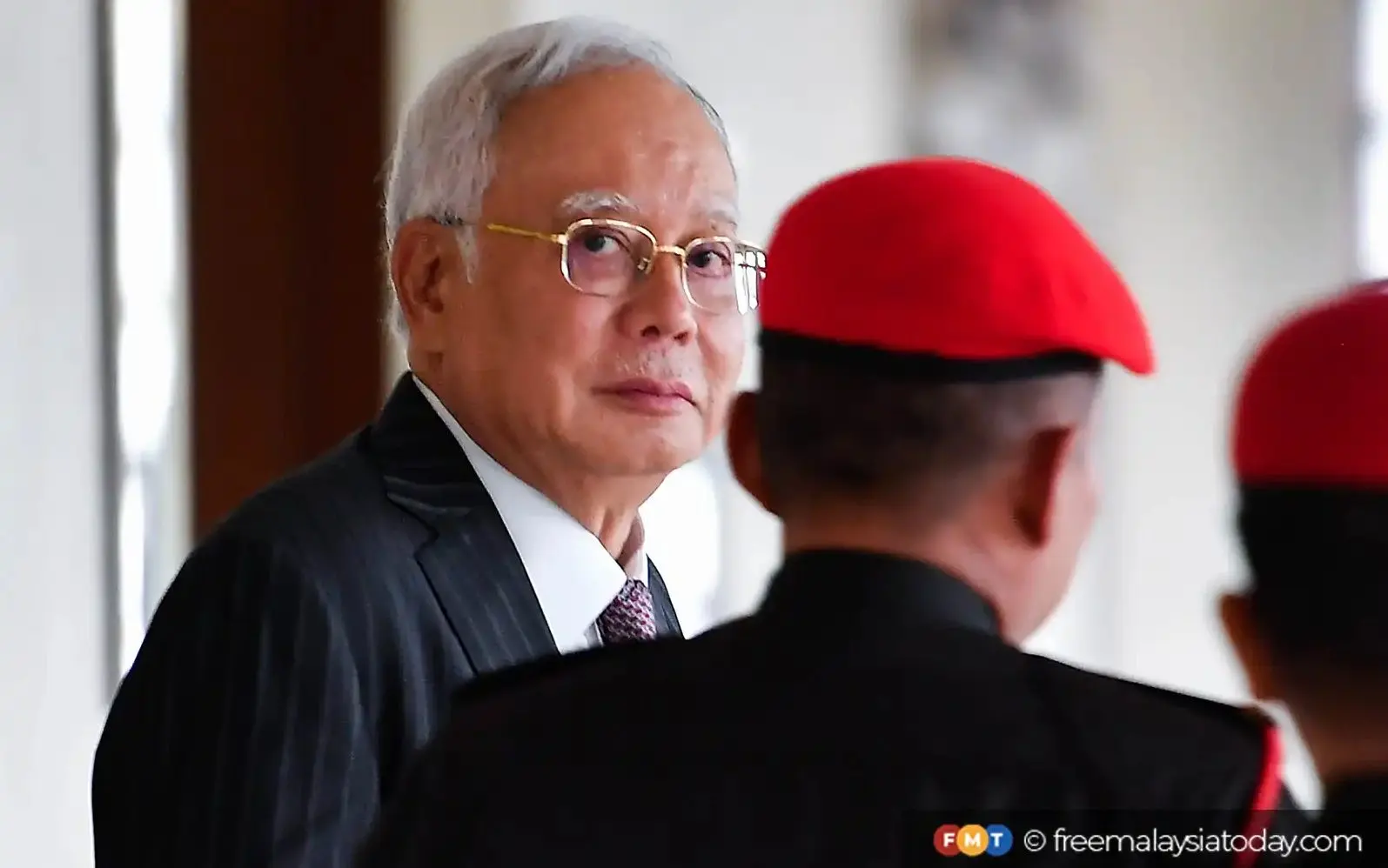
The Malaysian Bar has yet to receive the declassified minutes of the Federal Territories Pardons Board (FTPB) meeting from the Attorney-General's Chambers (AGC), as part of its legal challenge to former prime minister Najib Razak's house arrest. Bar president Anand Raj said the AGC has not filed or served an affidavit containing the minutes, despite a lot of public discussion about them.
The issue came up in Parliament earlier in the day. Ahmad Fadhli Shaari (PN-Pasir Mas) told the Dewan Rakyat that a search of the court's electronic filing system showed the minutes were not among the 17 documents filed in the case at the Kuala Lumpur High Court. Prime Minister Anwar Ibrahim said the minutes would become public once they were presented in court, and that the Home Ministry should look into how they were circulated before that point. Home Minister Saifuddin Nasution Ismail had said the minutes were declassified so the AGC could prepare its response to the Bar's challenge. Former Damansara MP Tony Pua has posted excerpts from the minutes on Facebook.
According to the reported minutes, Attorney-General Dusuki Mokhtar and Federal Territories Minister Hannah Yeoh objected to a proposal that would have let Najib serve the rest of his SRC International sentence under house arrest. Despite those objections, the Yang di-Pertuan Agong, Sultan Ibrahim, decided that Najib would be under house arrest until 23 August 2028, subject to payment of his RM50 million fine and other conditions.
The Bar filed for leave on 10 November to challenge the FTPB's decision of 18 September. Najib has since been moved to his home in Taman Duta, Kuala Lumpur, which has been gazetted as a prison, after the fine was settled with funds raised by UMNO. FMT has contacted the Attorney-General and the AGC for comment.